
Piccolo House -
18 Barry Street, Kew
Project Details
SERVICE OFFERING:
CLIENT:
CLIENT INDUSTRY:
LOCATION:
DELIVERABLES:
ESD
Development
Kew, Melbourne
Sustainable Management Plan
BESS Rating
Daylight Modelling
Water Sensitive Urban Design
NatHERS modelling
“Rewild’s sustainability management, daylight modelling and WSUD expertise at Piccolo House - 18 Barry Street, Kew provided clear, practical strategies that strengthened design outcomes while ensuring robust environmental performance across the project.”
— Toby Earle, Development Director, Piccolo House
Project Overview
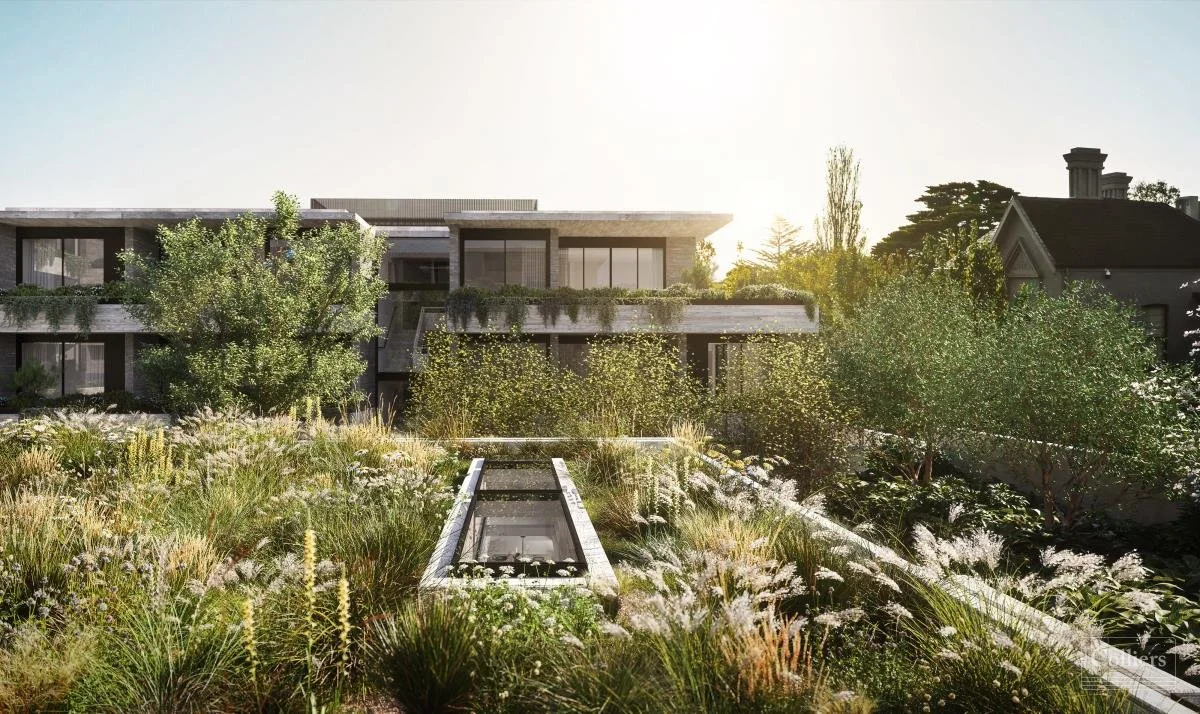
The Piccolo House - 18 Barry Street development is a contemporary residential project located in Kew, designed to sensitively respond to its established suburban context while delivering high-quality, sustainable housing.
The project integrates strong environmental performance outcomes with a focus on occupant comfort, daylight access, and landscape-led design, supporting long-term liveability and resilience. Sustainability considerations were embedded early in the planning and design process to ensure the development achieves robust environmental outcomes alongside architectural and urban design quality.
Key Services Provided
Sustainability Management Plan, including BESS benchmarking
Daylight Modelling
Water Sensitive Urban Design (WSUD)
NatHERs modelling
Key Initiatives:
Water Sensitive Urban Design:
A holistic strategy was developed for the site, considering the integration of landscape and hardscape areas, rainwater end-use allocation and overall potable water demand. Through detailed assessment of roof catchment areas, non-potable water demand and vegetation, a total of 93kL of rainwater storage and a 10sqm raingarden, was strategically distributed across the development. Through these outcomes, a score of 100% was achieved in Melbourne’s STORM rainwater assessment tool, demonstrating best-practice performance in stormwater quality and quantity management.
Indoor Environment Quality:
Key metrics of Indoor Environment Quality (IEQ) such as Daylight Access in both living areas and bedrooms, Effective Natural Ventilation and use of low VOC paints and materials was proposed to optimise occupant health and wellbeing. Optimisation of design was ensured to provide high levels of daylight access across the development, with 100% of internal bedrooms having an external window and 98% of dwellings maintaining effective natural ventilation.
Urban Ecology:
The development demonstrates a strong commitment to urban ecology by maximising the space dedicated to vegetation, communal space, and including green roofs and facades. The total communal space allocated to residents across the development is 574sqm which exceeds the minimum requirements, and 35% of the site area being dedicated to vegetation.
Resident Wellbeing
Designed to encourage movement, restoration and routine, the wellness amenities are thoughtfully composed with natural light and views to the surrounding landscape.
Project Timeframe
Mar 2024 - Current